
If AI Builds Apps, What’s Left for Power Platform Experts?
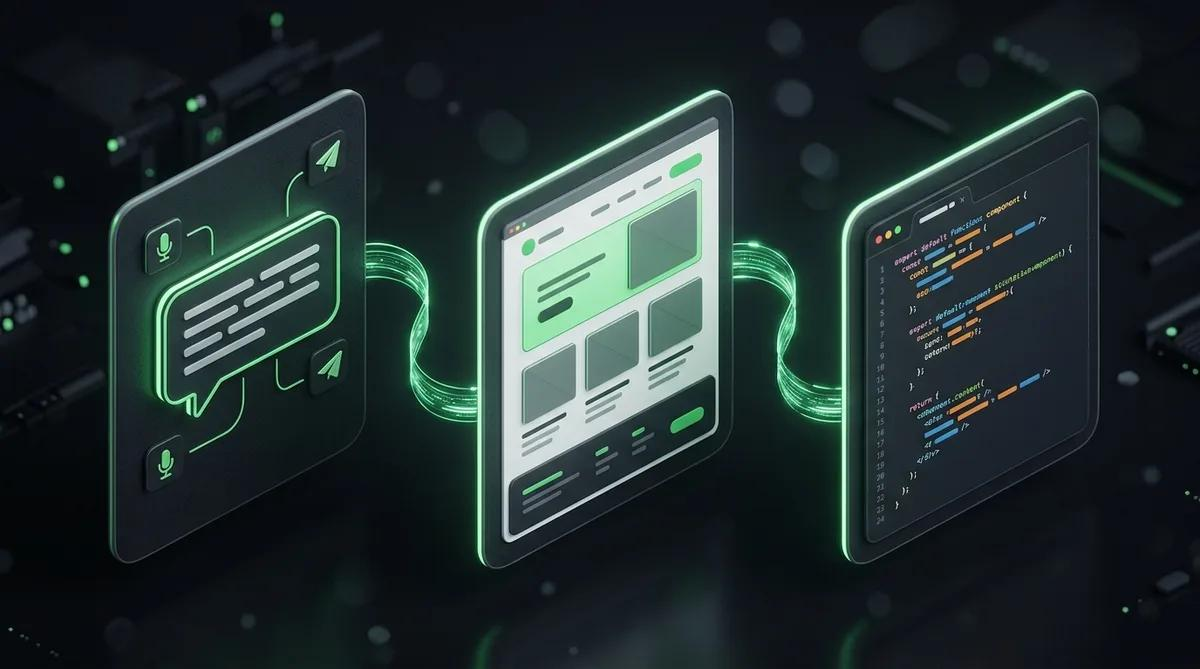
For years, we’ve described Power Platform as a way to build business applications without writing much code. Makers worked in visual designers, while professional developers extended the platform when they reached its limits.
All of this is now changing. Fast.
Business users can now describe an application in Copilot Cowork or Copilot Studio and let an AI-driven process create it. Copilot Managed Runtime provides the underlying environment for hosting and managing these code-based applications within the organization’s Microsoft 365 tenant.
In parallel, Power Apps code apps let developers build applications with familiar frameworks such as React and Vue, while running them through enterprise governed Power Platform.
The change is just as significant for experienced Power Platform developers. With Visual Studio Code, GitHub Copilot, Power Platform Skills, Copilot Studio authoring plugins and MCP servers, we can increasingly create and modify apps, flows and agents without clicking through every step in a visual designer.
These are different products and development paths, not a single replacement for canvas apps. But together they point to same direction: agent-driven development is becoming part of low-code itself.
What does that mean for the platform, the organizations using it, and the experts working with it?
Does low-code still have an advantage?
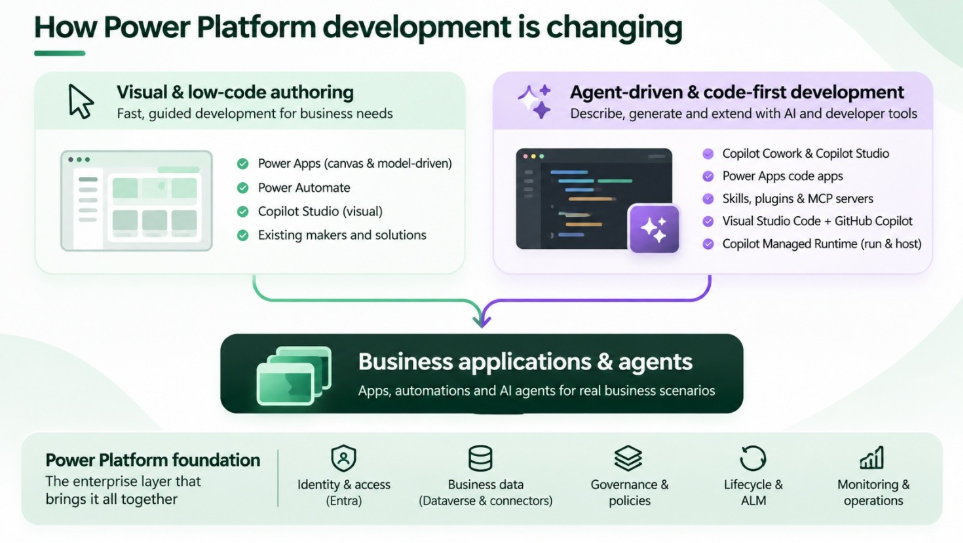
Low-code has traditionally reduced the effort required to turn business requirements into applications. But if a business user can describe a need and receive a working code-based app, the distinction between low-code and pro-code becomes harder to define.
Consider Power Apps code apps. Developers can create React or Vue applications in their preferred editor, then use Power Platform’s identity, connectors and governance capabilities. Coding agents can help create and deploy them.
Meanwhile, Copilot Managed Runtime enables a different path: applications generated through Cowork or Copilot Studio can run in a Microsoft-managed environment, with Entra authentication and administrative visibility.
The implication is not that every traditional canvas app should be rebuilt in React. Visual low-code development still has its place. Rather, the important distinction may become less about how an app is authored and more about what its platform provides after creation.
For Power Platform, that means business data, integration, security, lifecycle management and operating costs should weigh more heavily in technology decisions than development speed alone.
More code is not the same as more value
An interesting 2026 NBER study examined the effect of AI coding tools. For autonomous coding agents, it reported a 240% cumulative increase in commits, compared with 80% for projects and 30% for software releases. The researchers also found more new marketplace applications without a corresponding increase in total usage.
These are software industry findings, not Power Platform measurements. Still, they raise a relevant Power Platform question: what happens when business users and makers can generate apps faster than IT can evaluate, deploy and support them?
An organization could end up with many more apps, without an equivalent increase in useful solutions. The bottleneck shifts from implementation toward validation, integration, ownership and adoption. DORA research also suggests that faster AI-assisted development can come with greater delivery instability.
That changes the productivity discussion. Counting generated apps or saved development hours is not enough. We also need to measure what reaches production, what people use and what remains maintainable.
A working-looking solution can still be wrong
I saw this while testing an AI-driven Copilot Studio development workflow.
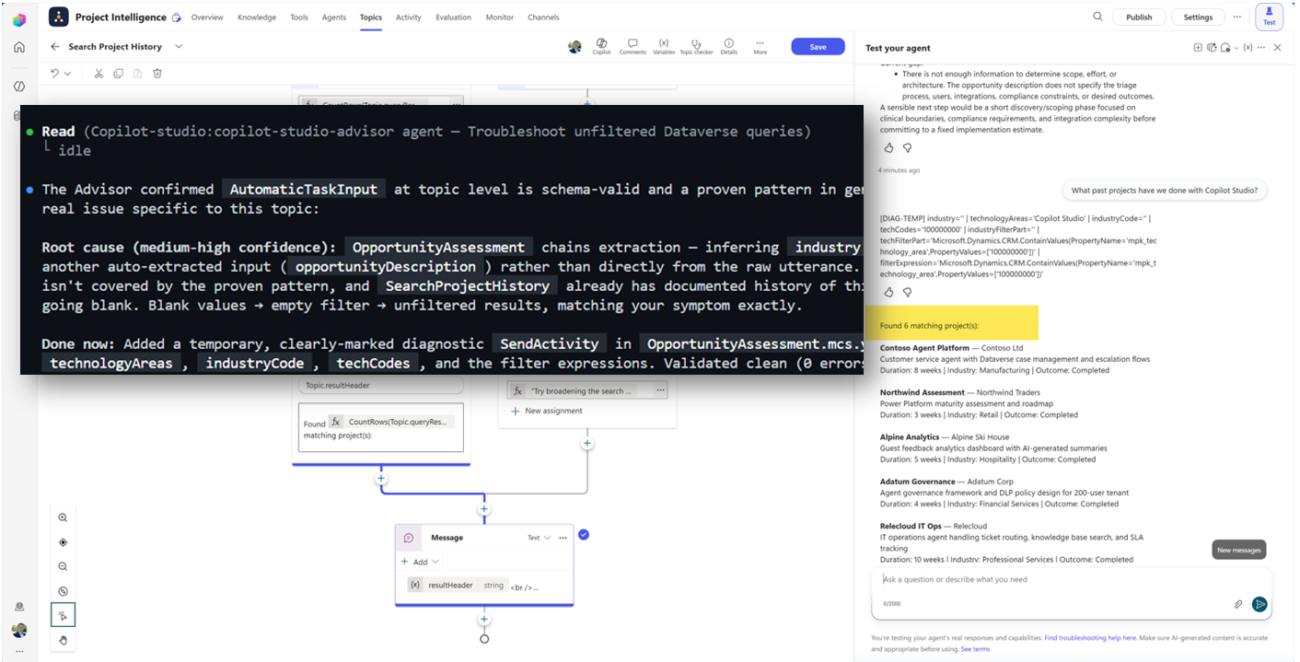
A coding agent helped me modify an internal project intelligence agent. It inspected Dataverse tables, generated queries and updated Copilot Studio topics. Much of the work happened through source files and coding tools rather than the visual designer.
But one generated topic returned every available project instead of applying the required filters. Its answer looked plausible and confidently claimed that the relevant information had been found. The first AI-generated diagnosis was wrong too.
After inspecting execution results and challenging the code with another model, I found the cause: query parameters had been placed under an incorrect structure, so the connector ignored the filters.
The interesting part wasn’t that AI made an error. Developers make errors too. It was that the development process produced something convincing before anyone had established that it behaved as intended.
Even in an agent-driven low-code workflow, platform knowledge, testing and the ability to challenge generated work become more important, not less.
Governance now includes the AI developer
Power Platform governance has traditionally focused on makers, environments, connectors and publishing rights. That model assumes we can identify who is building and what they are allowed to do.
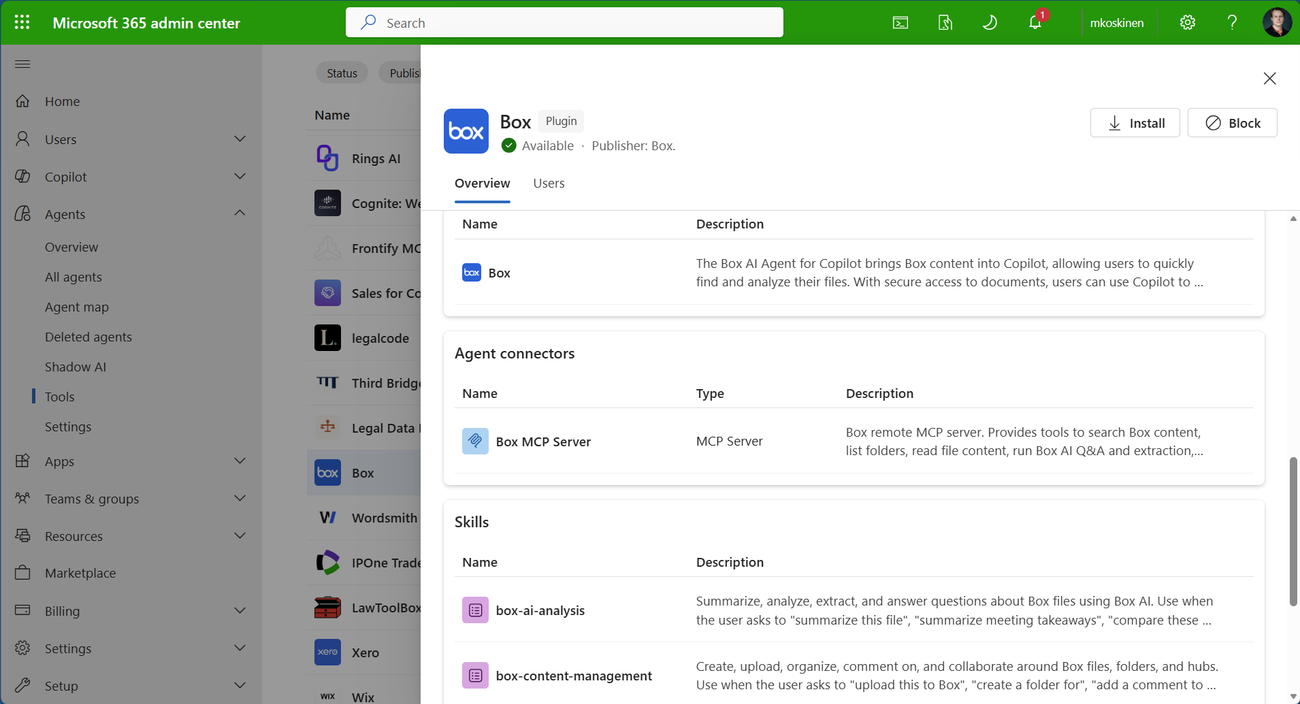
Now a maker may delegate implementation to a coding agent, while a business user may generate an app without entering a maker portal. With skills, plugins and MCP servers, that agent can inspect schemas, read app definitions, query connected systems and make changes. This expands the development surface well beyond the traditional Power Apps maker experience.
We therefore need to ask not only who can build? but also what can the AI development agent access and change? How are those changes reviewed? Which environments can it reach? Who owns the resulting application?
This is not a reason to invent governance from scratch. Source control, testing, least-privilege access and controlled releases are familiar engineering practices. They need to extend into these new authoring paths.
There is an important difference between telling an agent not to touch production and giving it credentials that cannot touch production.
Microsoft is building Entra authentication, app inventory and policy enforcement into the managed app experience. Power Apps code apps and Copilot Managed Runtime has their own distinct characteristic and settings, with different administrative controls, licensing and current limitations. IT must understand those boundaries before treating every AI-created application as governed by default.
What are experts being paid for?
For Power Platform professionals, this is a bigger change than only learning how to work with AI assistant.
If coding agents can carry out more implementation, expertise moves toward translating business needs into clear requirements, choosing between application models, providing the right context, verifying behavior and owning the architecture.
It also changes what a Power Platform developer’s working day looks like. Skills, plugins, Git, repositories, MCP servers and AI-assisted testing are becoming part of everyday development.
Knowing how the platform works underneath remains essential, especially when generated changes fail in subtle ways.
Consulting partners will need to adapt too. Customers should benefit from faster implementation, but they will still need help deciding what deserves to be built, how it connects to existing systems and how it will be governed over time.
At ForwardForever, those are questions we need to address in customer work and in how we develop our own expertise.
The next competitive advantage
I don’t think agent-driven development makes Power Platform less relevant. It changes the basis on which we should evaluate its value.
When makers and business users can generate applications through AI, the differentiator is increasingly the ability to turn those applications into secure, useful and maintainable business solutions.
If building becomes the easy part, are our development practices and governance ready for everything that follows?